Classical Computer Vision: Cat vs Dog Classifier
Projects | | Links:
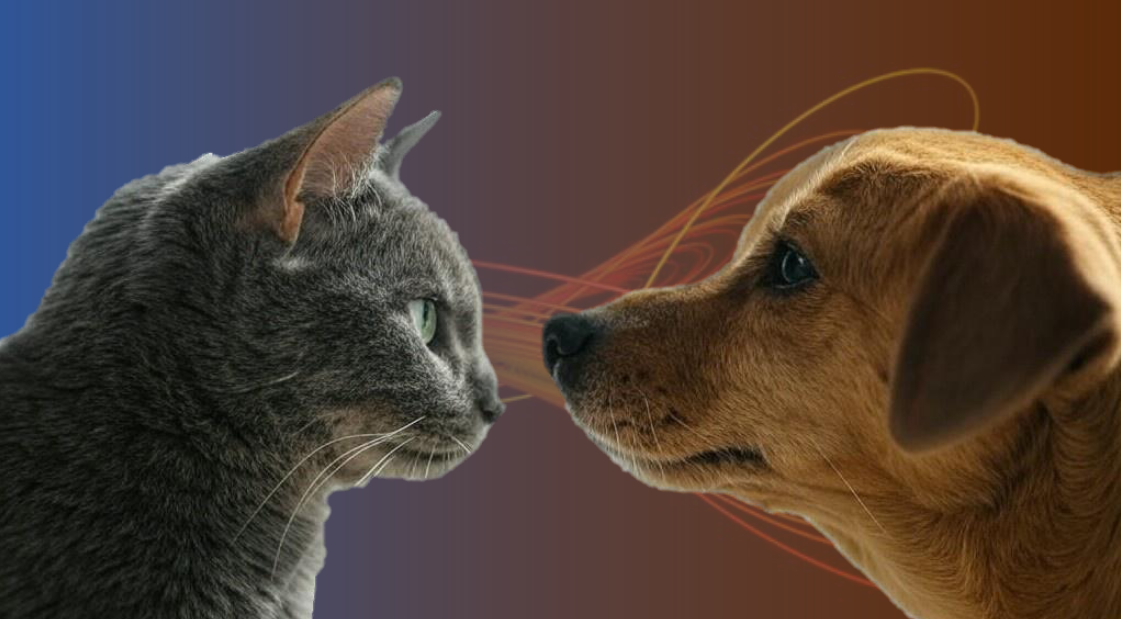
This project explores traditional Computer Vision techniques to solve the classic binary classification problem: distinguishing between images of cats and dogs. Unlike modern Deep Learning approaches, this pipeline relies on manual feature extraction and classical machine learning models.
Technical Pipeline
- Preprocessing: To ensure robustness, images underwent histogram equalization for lighting consistency and edge enhancement to facilitate shape detection.
- Feature Extraction: We implemented several descriptors to capture both global and local information:
- HOG (Histogram of Oriented Gradients): Used for capturing global structures, contours, and shapes.
- Harris, SIFT, and ORB: Employed to detect keypoints and local features invariant to rotation and scale.
- Classification: We compared various models, including SVM, AdaBoost, and Logistic Regression.
Key Results
The combination of Harris_HOG or Harris_SIFT with a Random Forest classifier yielded the best performance, reaching a 90% accuracy rate. Random Forest proved most effective at handling the high-dimensionality vectors generated during the extraction phase.
Conclusion: While modern neural networks are more precise, classical methods remain effective for small datasets and resource-constrained environments, offering greater transparency in the classification process.